Garage Door Safety Guide – Protecting Your Family from Accidents at Home
A garage door safety guide is something every homeowner should follow, especially if you have children or pets at home. Garage doors are heavy, powerful systems, and without proper care, they can pose serious safety risks.
The good news is that most accidents are preventable with simple awareness and routine checks. This guide will walk you through practical, real-world steps to keep your family safe.
Why Garage Door Safety Matters
Garage doors are often the largest moving object in a home. Without proper maintenance and usage, they can lead to injuries or property damage.
Common Risks:
Doors closing unexpectedly
Fingers getting caught in panels
Faulty sensors not detecting obstacles
Broken springs or cables
Following a proper garage door safety guide helps reduce these risks significantly.
1. Teach Children Garage Door Safety
Children are naturally curious, but garage doors are not toys.
Safety Rules for Kids:
Never stand or play under a moving door
Keep fingers away from door sections and hinges
Do not operate the remote as a toy
Educating your children is one of the most important steps in any garage door safety guide.
2. Test the Auto-Reverse Feature Regularly
Modern garage doors include an auto-reverse mechanism designed to prevent accidents.
How to Test:
Place an object under the door
Close the door
If it doesn’t reverse immediately, your system needs attention. This is a critical part of your garage door safety guide.
3. Keep Remote Controls Out of Reach
Garage door remotes should never be accessible to young children.
Best Practices:
Store remotes in secure locations
Install wall controls at a higher level
Use lock features if available
This simple step can prevent accidental door operation.
4. Inspect Springs and Cables
Springs and cables are under high tension and can be dangerous if damaged.
Warning Signs:
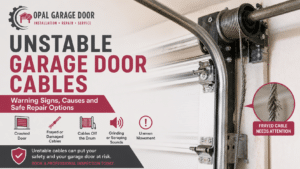
Frayed cables
Rusty or stretched springs
Sudden loud noises
Never attempt to fix these yourself—professional help is essential for safety.
5. Keep the Garage Door Well Maintained
A well-maintained door is a safer door.
Maintenance Checklist:
Lubricate moving parts
Tighten loose hardware
Check door balance
Clean tracks
Following a routine from your garage door safety guide reduces the chances of unexpected failures.
6. Install Motion Sensors and Safety Features
Modern safety features add an extra layer of protection.
Recommended Upgrades:
Infrared safety sensors
Motion-detection lighting
Smart garage door systems
These features are especially useful for families with children.
7. Never Walk Under a Moving Door
This may seem obvious, but many accidents happen due to rushing.
Safety Tip:
Always wait until the door is fully open before entering or exiting.
This habit should be part of every household’s garage door safety guide.
8. Schedule Professional Safety Inspections
Even if everything seems fine, regular professional inspections are essential.
Why It Matters:
Experts can detect hidden issues
Ensures compliance with safety standards
Prevents long-term damage
Annual servicing keeps your garage door safe and reliable.
When to Call a Professional Immediately
Contact a professional if you notice:
The door not closing properly
Unusual noises or jerky movement
Broken springs or cables
Faulty safety sensors
Delaying repairs can increase safety risks.
Final Thoughts
Following a proper garage door safety guide is not just about maintenance – it’s about protecting your family. With a few simple habits and regular checks, you can prevent accidents and ensure your garage door operates safely every day.