Noisy Garage Door - Causes and Safe Fixes Every Homeowner Should Know
A noisy garage door is more than just an annoyance—it’s often an early warning sign that something isn’t working as it should. Whether it’s grinding, squeaking, or banging sounds, ignoring the issue can lead to bigger and more expensive problems.
The good news? Most causes of a noisy garage door can be identified early and fixed safely with the right approach.
What Causes a Noisy Garage Door?
Understanding the root cause is the first step to solving the problem. A noisy garage door usually happens due to wear and tear or lack of maintenance.
Common Causes:
Worn-out rollers or hinges
Loose nuts and bolts
Lack of lubrication
Dirty or misaligned tracks
Aging springs or opener components
Each of these issues produces a different type of sound, which can help you diagnose the problem.
1. Lack of Lubrication
One of the most common reasons for a noisy garage door is friction between moving parts.
What Happens:
Metal components rub against each other
Squeaking or grinding sounds increase over time
How to Fix It Safely:
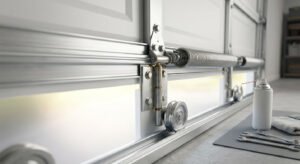
Apply a garage door lubricant to rollers, hinges, and springs
Avoid using heavy grease or WD-40 for long-term results
Regular lubrication every few months can prevent most noise issues.
2. Worn-Out Rollers and Hinges
Rollers and hinges take constant stress, and over time, they wear out.
Signs:
Clicking or rattling sounds
Uneven movement
Safe Solution:
Replace damaged rollers with high-quality nylon rollers
Inspect hinges for cracks or rust
If you’re unsure, it’s best to get professional help for replacements.
3. Loose Hardware
Garage doors move multiple times a day, which naturally loosens components.
Problem Indicators:
Vibrating or banging noises
Visible loose brackets or bolts
Fix:
Tighten all nuts, bolts, and screws
Focus on track brackets and roller mounts
This is a simple yet effective way to reduce a noisy garage door.
4. Dirty or Misaligned Tracks
Tracks guide your garage door, and even small obstructions can cause noise.
Causes:
Dust and debris buildup
Slight misalignment
Safe Fix:
Clean tracks with a dry cloth
Check alignment visually (do not force adjustment)
For major alignment issues, always call a professional.
5. Aging Springs or Cables
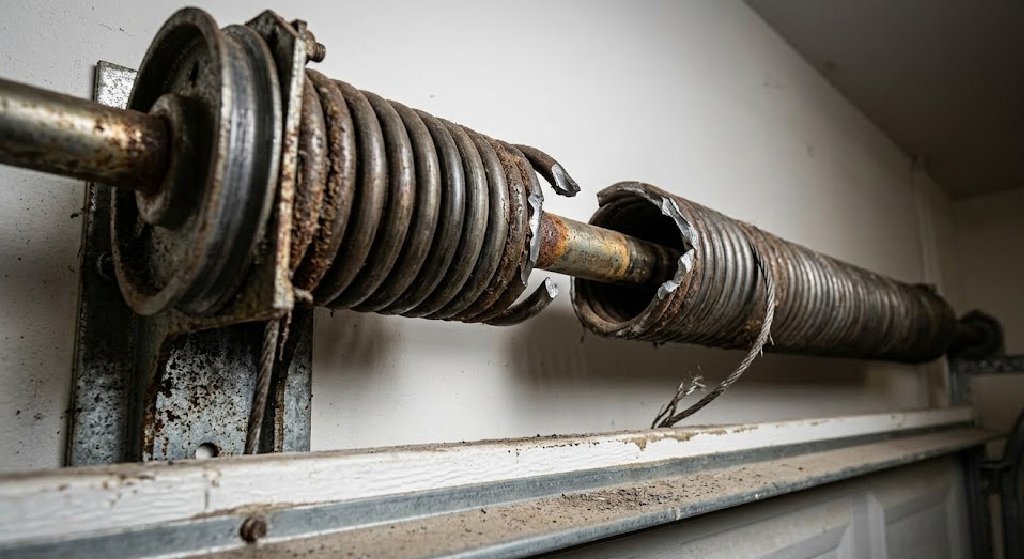
Springs handle the heavy lifting, and when they wear out, they can become noisy – and dangerous.
Warning Signs:
Loud snapping or creaking sounds
Door feels heavy or uneven
Important:
Never attempt to repair springs yourself. This is a high-risk component that requires expert handling.
6. Faulty Garage Door Opener
Sometimes, the issue isn’t the door—it’s the opener.
Common Issues:
Worn motor parts
Loose chain or belt
Old opener system
Fix:
Tighten the chain or belt
Consider upgrading to a quieter belt-drive opener
How to Fix a Noisy Garage Door Safely
When dealing with a noisy garage door, safety should always come first.
Safe DIY Actions:
Lubricate moving parts
Tighten hardware
Clean tracks
Inspect visible damage
Avoid Doing Yourself:
Spring repairs
Cable replacements
Major track adjustments
These tasks require professional expertise and tools.
When Should You Call a Professional?
If your noisy garage door continues after basic maintenance, it’s time to bring in an expert.
Call a professional if:
Noise is getting worse
The door is uneven or jerky
You notice broken parts
Early intervention can prevent a complete system failure.
Final Thoughts
A noisy garage door is your system’s way of telling you something needs attention. The sooner you address it, the easier—and cheaper—the fix will be.
With regular maintenance and timely action, you can keep your garage door running smoothly, quietly, and safely for years to come.